Narrative archive

Narrative
Deconstructions

Cinema Story Digest is an independent film review and cinema culture portal for readers who want to see how risk, information, and desire become tension on screen. Here, casino rooms, heists, psychological thrillers, neon-noir streets, and high-stakes encounters are read as scenes: built through form, performance, and point of view rather than plot recap.

We pull apart scripts, scene construction, camera placement, cutting, sound, rules, and character strategy. A card table, surveillance room, or getaway route can reveal who holds power and who is being watched. The archive draws on established films, verified cinematic context, thematic essays, film stills, and cinematography analysis. It offers no gambling services, real-money wagering, or direct movie streaming.

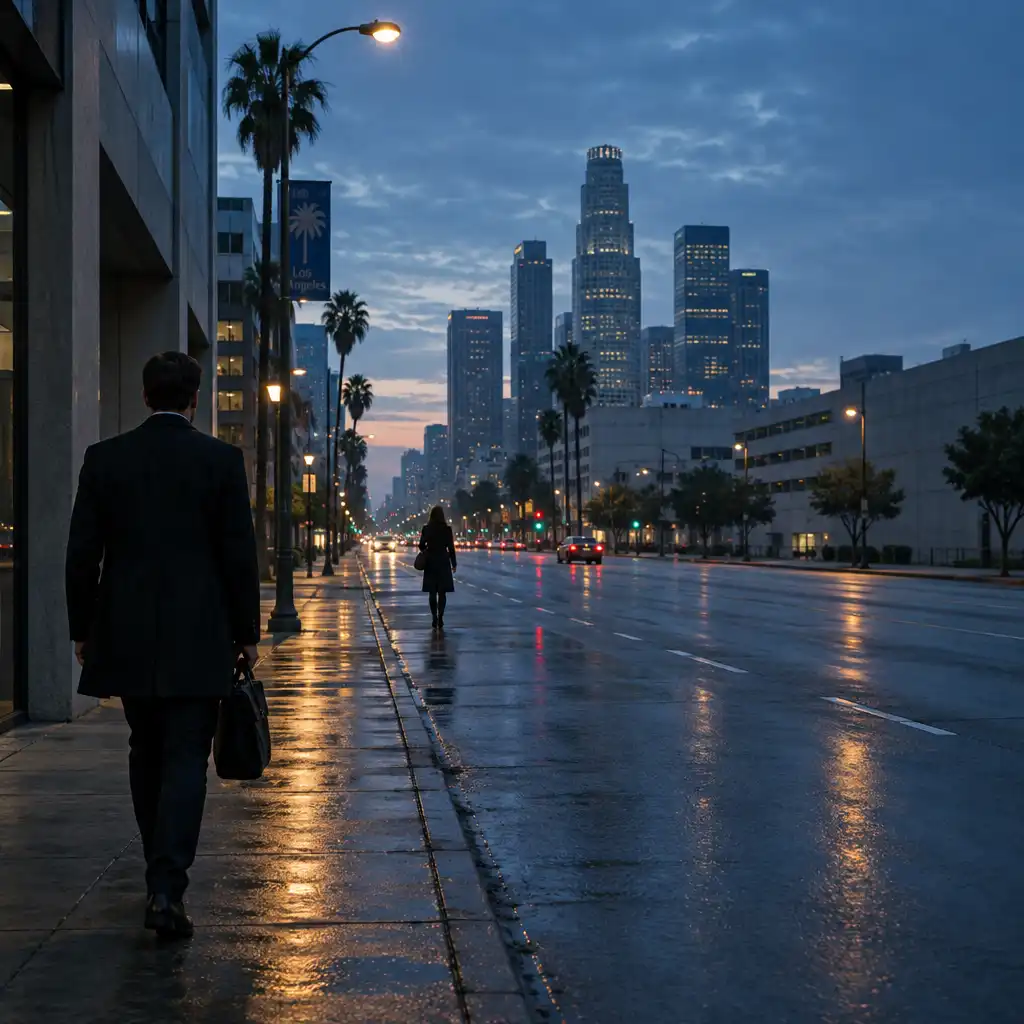
Two distant figures separated by a broad city street at blue hour, with concrete facades and a long vanishing line.
Heat: distance, streets, and a shared awareness of pursuit make city space part of the pressure.

Featured close reading

Heat: pressure built through parallel design

Michael Mann’s Heat centres on professional thief Neil McCauley and LAPD detective Vincent Hanna, but its tension begins well before any major confrontation. The film places their work routines, the city’s open distances, and an alertness to surveillance in parallel. Rather than treating crime as instruction, this reading follows how professional ritual becomes character language: each man measures time, space, and exposure, while the film keeps their codes close enough to invite comparison.

Explore the Heat deconstruction

The scene map

  1. PreparationWhat routines make control seem possible?
  2. ExposureWho notices the smallest break in the pattern?
  3. PursuitHow do distance and direction change who can act?
  4. CostWhat does control ask of loyalty, intimacy, and conscience?

Method note

How to read a high-stakes scene

Close reading does not require specialist vocabulary. We begin with the evidence a film gives the viewer: a look held back, a room’s entrances, a cut that arrives too soon, or a sound that continues after the image changes. These four lenses make tension concrete without mistaking cinematic gamesmanship for practical advice.

01

Information is the real stake

Suspense often comes from unequal knowledge: what someone knows, hides, misreads, or discovers too late. We track withheld glances, surveillance angles, and interrupted conversations to ask how a film distributes information between its characters and the viewer.

02

Space makes strategy visible

Casino floors, corridors, streets, and rooms map access and exclusion. Table framing, doorways, reflective surfaces, and sightlines show who belongs in a space, who is boxed in, and where vulnerability becomes visible.

03

Cuts decide when pressure lands

Editing can stretch anticipation through held duration, fracture certainty through a change of view, or snap a decision into place. We look at rhythm as an emotional choice: whose point of view is trusted, and when does it shift?

04

Sound keeps the unseen present

Score, silence, room tone, voices, and off-screen noise can make danger felt before it appears. A pause or competing sound layer may hold attention on what cannot yet be seen, keeping the audience inside uncertainty.

Narrative architecture

Architecture of the heist

The plan is never the whole story. Heist films establish expectations through setup, execution, reversal, and aftermath, then test those expectations through motive and form. Our archive reads these phases as drama rather than feasibility: what does preparation conceal, when does a clean design become unstable, and what remains once the central action has passed?

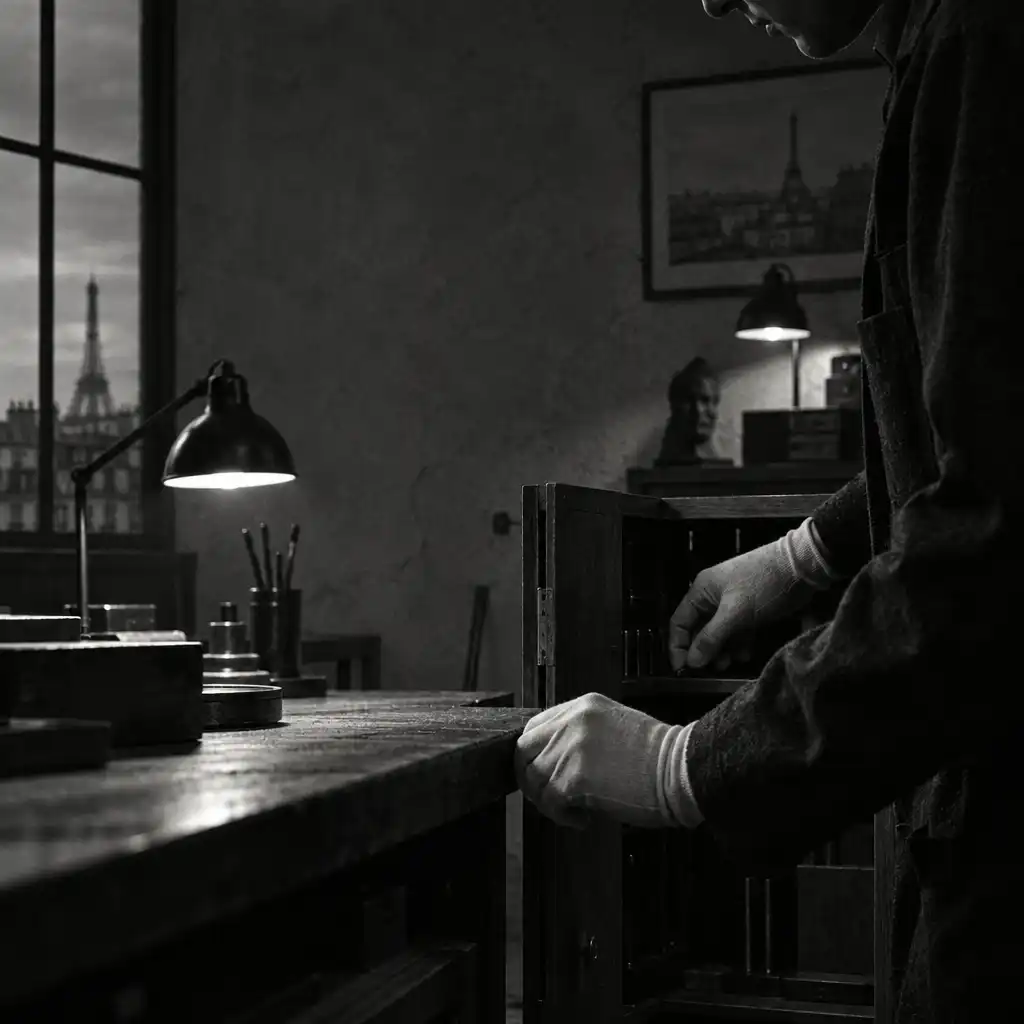
Gloved hands near a workbench in a shadowed mid-century workshop.
Rififi: concentration and geometry become evidence for a reading of restraint.

Featured route

Rififi and the discipline of silence

Directed by Jules Dassin, Rififi is an essential entry point for reading duration, concentration, and controlled attention. Its scene analysis asks how quiet, waiting, and precise framing make the viewer feel every interruption as pressure. The interest is not in procedure but in how restraint turns a sequence into a study of focus, vulnerability, and consequence.

Explore the scene breakdown
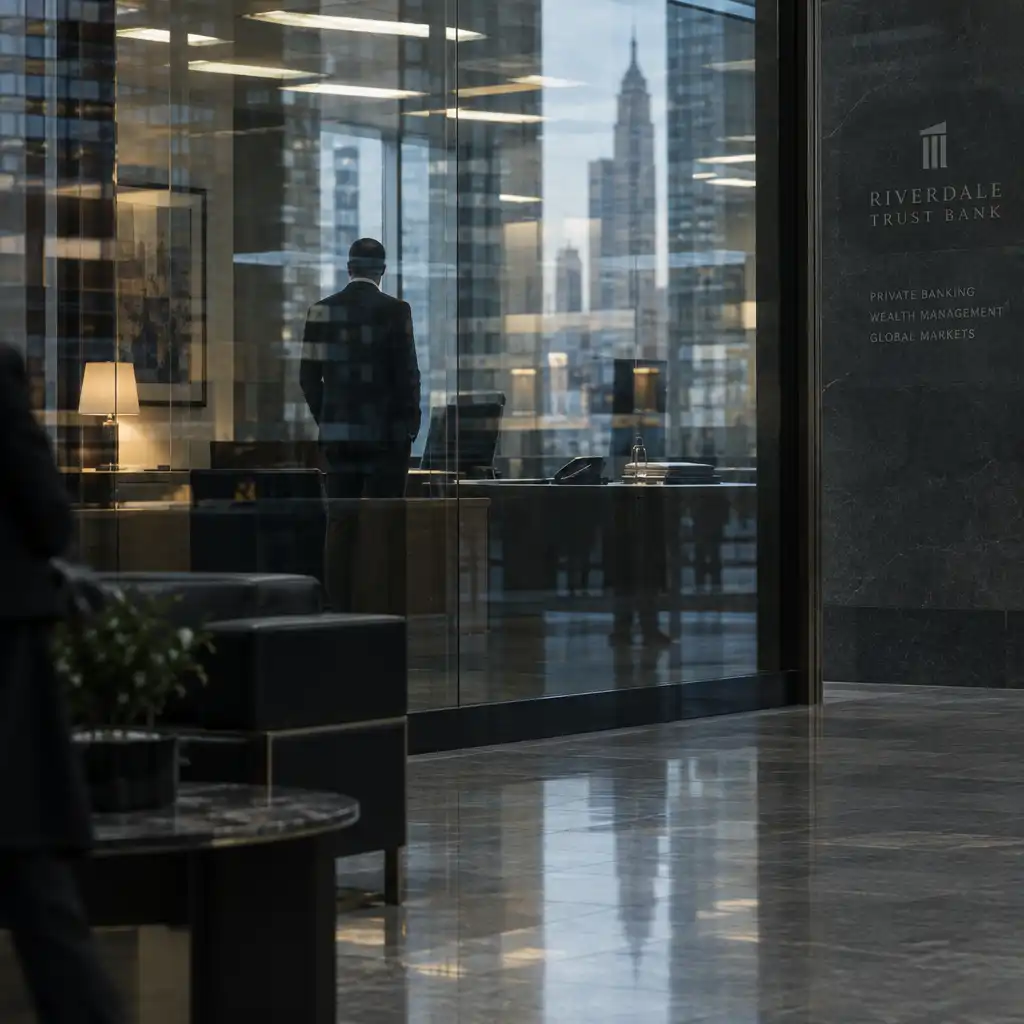
An anonymous suited figure seen through a glass partition in a city lobby.
Inside Man: reflections turn an apparently clear view into uncertainty.

Supporting route

Inside Man: the ethics of concealment

Spike Lee’s Inside Man offers a concise route into framing, withheld information, and the viewer’s changing confidence in seemingly clear roles. Its tension lies in perspective and moral ambiguity, not plot solutions.

A precise, shifting thriller.

Read the perspective notes

The aftermath matters because the strongest heist narratives keep pressure alive after the action: control, loyalty, and escape each leave a cost that character analysis can bring into view.

Spatial reading

Casino rooms as pressure systems

A room built to be watched changes every gesture. In cinema, casino security dynamics are often carried by sightlines, reflections, staff choreography, and the suspicion that an audience exists beyond the frame. This is a question of mise-en-scène, not real security weaknesses: the viewer feels surveillance because the film arranges faces, mirrors, entrances, and glances into a tense social geometry.

Read the full spatial analysis

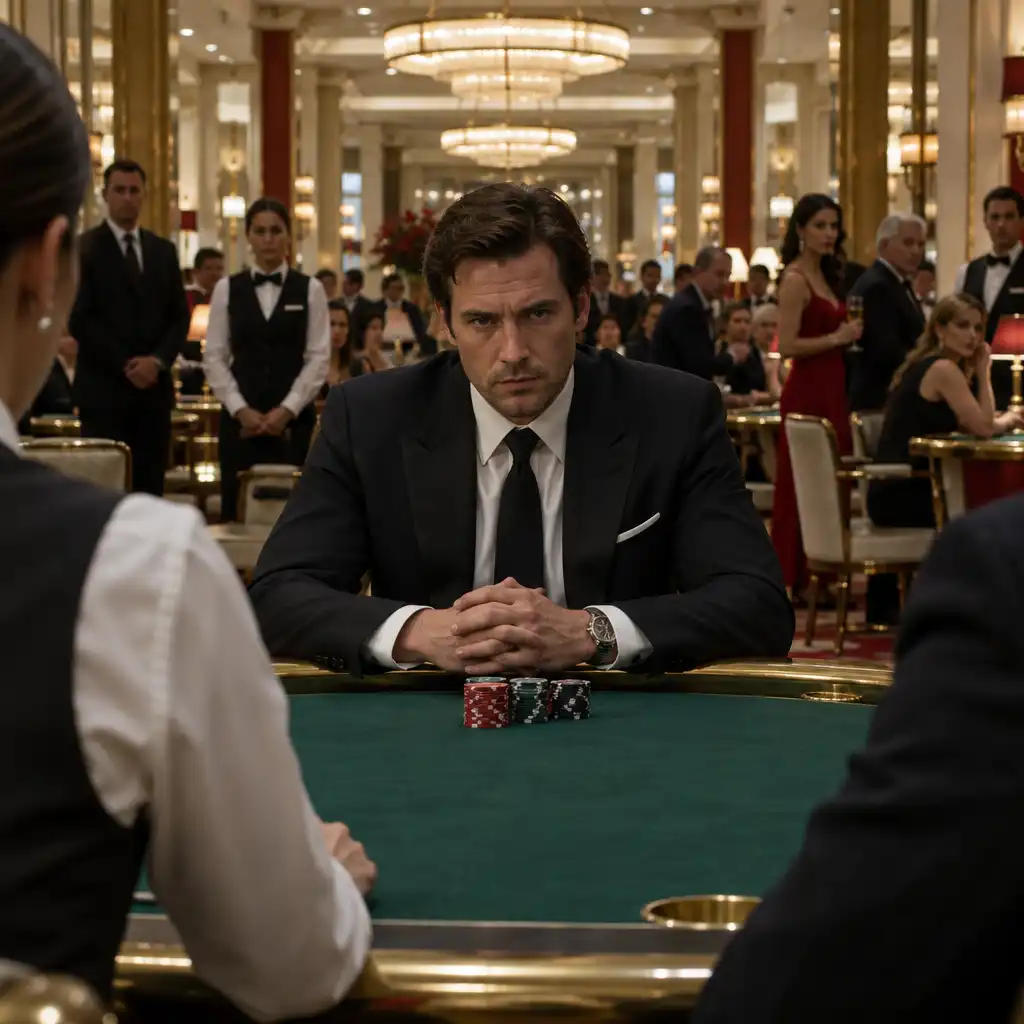
A tense card table viewed from above, with hands, cards, a dealer silhouette, and mirrored sightlines.
Casino-table framing can organise observation, status, and uncertainty within one image.

Framing cue

The table as a stage

Circular tables, hands, cards, faces, and dealer positions can organise conflict inside a single frame. Camera distance and blocking reveal patience, bluffing, pride, or fear without needing the game itself to be explained. The rules matter here only as storytelling devices that test relationships.

Editorial context

Mathematics, luck, and character

Films often use probability and chance symbolically. Calculation may promise control, while luck exposes vulnerability, pride, or self-deception. Cinema Story Digest treats gambling imagery as cinema criticism only; it does not provide gambling services or real-money wagering.

Visual and sonic analysis

Neon-noir: image, rhythm, and unease

A solitary driver seen through a rain-speckled side window, lit by pink and cyan street signage.
Drive: reflected light and a sealed car interior make urban space feel intimate and distant at once.

Drive and the controlled surface

Directed by Nicolas Winding Refn, Drive is useful for examining neon lighting, sparse dialogue, framed isolation, and the tension between composure and violence. Its value to this archive is atmospheric rather than celebratory. The film lets coloured light, stillness, and controlled performance create a psychological landscape in which calm surfaces never fully settle the viewer’s unease.

01

Colour as emotional distance

Saturated neon can make faces, cars, and urban interiors feel intimate yet artificial. Contrast between practical colour and darkness becomes a way to read what characters refuse to reveal.

02

Editing as withheld release

Pauses, held looks, and abrupt rhythmic changes encourage anticipation before the film confirms anything. Pace becomes a route into interiority rather than a simple measure of action.

03

Sound and the unstable interior

Music, silence, and ambient city sound can destabilise an apparently controlled image. Listen for changing proximity and silence: they often make subjectivity audible before it is spoken.

Character pressure

Psychological warfare in the frame

The wager is often emotional: self-image, trust, fear, and the ability to read another person. Across thrillers and casino dramas, we follow body language, reaction shots, silence, and changing points of view to see how a conversation or a look becomes a contest. What matters is not victory, but the uncertainty of who can perform control.

A well-dressed young man at a seaside café looking toward someone outside the frame.
Observation and social performance create tension before a word is said.

Character analysis

The Talented Mr. Ripley: performance under observation

Anthony Minghella’s The Talented Mr. Ripley offers a spoiler-conscious route into imitation, social performance, and the unease of a presentation that may not hold. The analysis watches framing, look-reverse-look patterns, and moral ambiguity around a character who is always aware of an audience. It asks how the camera makes social space feel both inviting and dangerously evaluative.

Worth a closer look for its unstable social surfaces.

Read the character pressure analysis

Close-viewing index

A watchlist for close viewing

These established films reward attention to rhythm, framing, performance, and consequence. Use the category lines as prompts for a first or return viewing, then follow the relevant analysis route.

  1. 01

    Heist architecture

    Heat

    Directed by Michael Mann, this is a strong choice for spatial clarity, professional ritual, parallel character construction, and tension moving between private and public space.

  2. 02

    Rhythm and silence

    Rififi

    Directed by Jules Dassin, it rewards attention to duration, concentration, and the relationship between restraint and consequence. Listen as carefully as you watch.

  3. 03

    Space and surveillance

    Casino

    Martin Scorsese’s Casino offers a rich cinematic world for examining spectacle, narration, changing loyalties, surveillance, and moral ambiguity.

  4. 04

    Neon-noir atmosphere

    Drive

    Directed by Nicolas Winding Refn, it is a useful entry for colour, controlled performance, sound, and the contrast between surface calm and psychological danger.

Viewing utility

Check NZ availability on JustWatch

Availability changes. Our curated external directory can help New Zealand readers locate legal movie options. Cinema Story Digest does not provide direct movie streaming, host films, or guarantee that a title is currently available.

The directory opens in a new tab for independent availability checking.

Check NZ availability on JustWatch opens in a new tab