
Character profiles

People under pressure, read closely.

Cinema Story Digest is an independent English-language film review and cinema culture portal. Here, casino floors, confidence games, investigations, robberies, and psychologically unstable worlds become settings for close reading: performance, narrative design, ethics, costume, gesture, and framing. Our dossiers, actor spotlights, and archetype studies treat high-stakes cinema as cultural criticism, never as gambling entertainment.

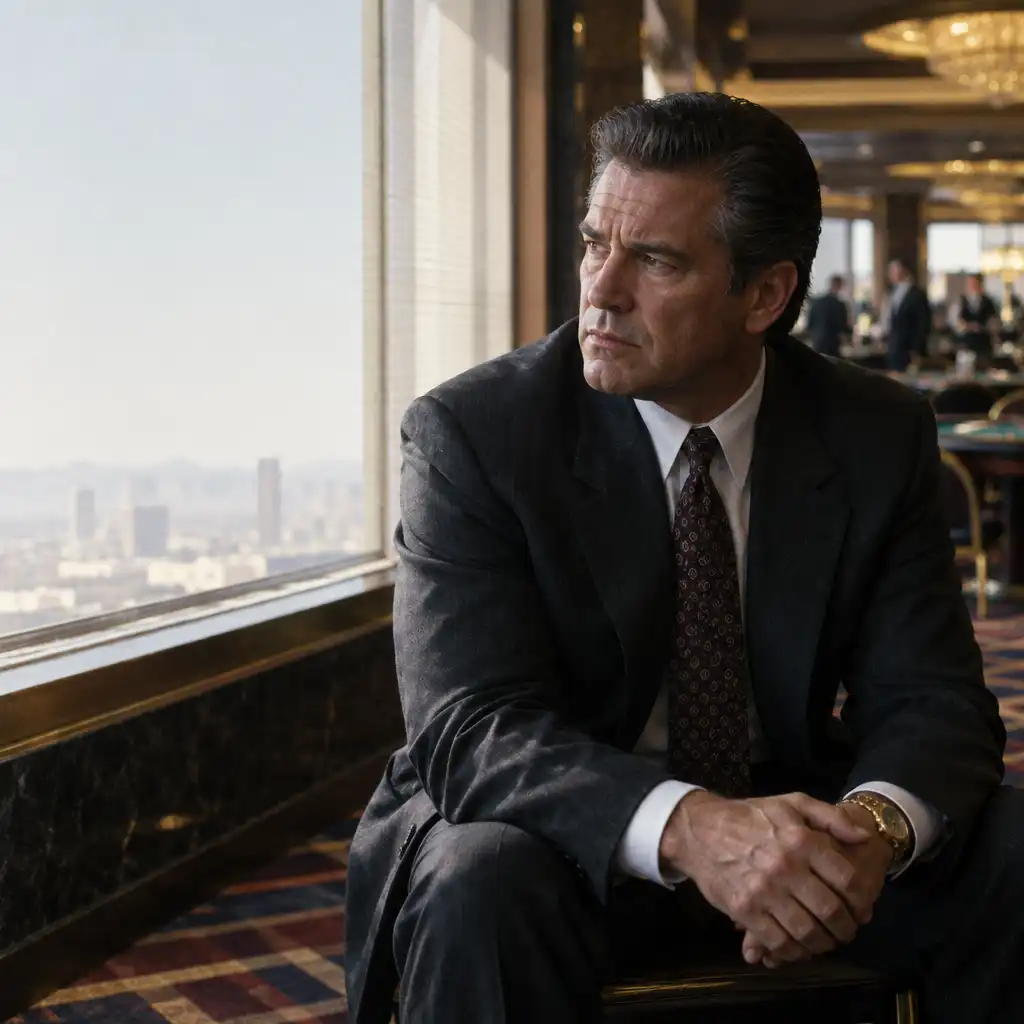
Robert De Niro as Sam Ace Rothstein in a casino setting in Casino
Casino (1995): Sam “Ace” Rothstein, played by Robert De Niro, in a casino-floor setting. Image used as editorial scene context.
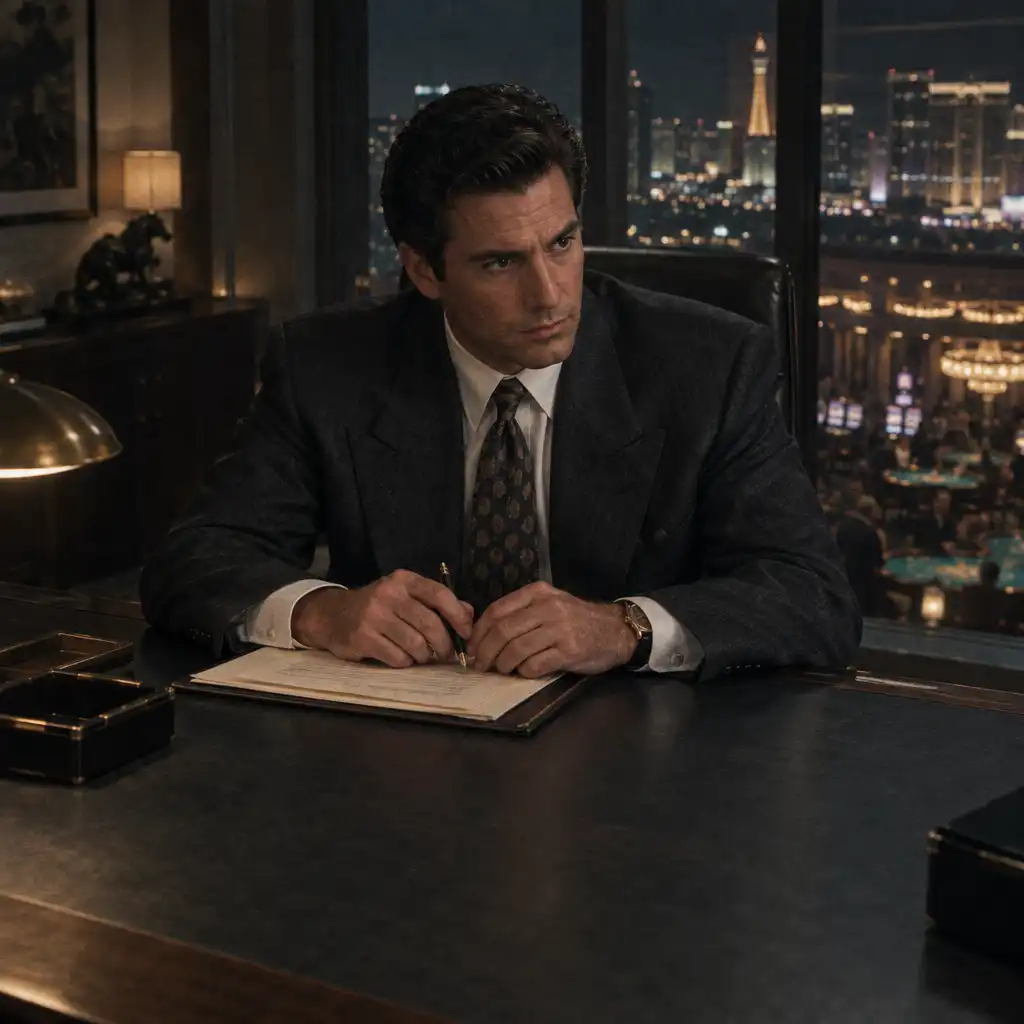
Robert De Niro as Sam Ace Rothstein seated at a desk in Casino
Casino (1995): Ace Rothstein at work, played by Robert De Niro. Editorial scene context.

Featured dossier

Sam “Ace” Rothstein in Casino 1995

Robert De Niro’s Ace Rothstein is a control-driven operator whose authority depends on systems he can inspect but never fully master. In Casino, his need for order meets a social world that refuses to behave like an orderly ledger, making competence itself a source of pressure.

  1. 01

    Professional ritual

    Ace’s precision is made visible through inspection, correction, and close attention to the casino environment. These repeated behaviours turn work habits into character evidence: routine promises security, while the surrounding systems of surveillance and management make that promise increasingly fragile.

  2. 02

    Performance under pressure

    De Niro’s controlled vocal rhythm and contained posture distinguish actorly restraint from the character’s actions. Small shifts in pace, stance, and composure make later instability readable; the performance does not simply announce coolness, but lets control become visibly difficult to sustain.

  3. 03

    The limits of mastery

    Ace opens onto a recurring concern in high-stakes cinema: characters who mistake operational knowledge for power over people, intimacy, or chance. The dossier follows that gap without treating him as a real-world model of success or offering gambling advice.

Dossier in development A full editorial profile is being prepared.

Browse the dossier shelf

Characters shaped by a distinct pressure point

Move among fictional characters defined by calculation, performance, institutional authority, longing, and pursuit. These are editorial dossiers rather than recommendations or rankings; each asks how a dramatic pressure changes the way a person speaks, looks, and moves through a film.

Matt Damon as Mike McDermott seated in a dim card-room setting in Rounders

Analytical card counter

Mike McDermott in Rounders

Matt Damon plays Mike McDermott as an analytical card player whose confidence in reading systems meets the demands of loyalty and self-definition. The film makes intellect and risk perception part of characterisation, then tests calculation against obligations that cannot be solved like a table problem. This is cinema analysis, not instruction about card play.

Matt Damon · Rounders · 1998

Dossier in development
Leonardo DiCaprio as Frank Abagnale Jr. in a bright airport concourse setting in Catch Me If You Can

Charismatic con artist

Frank Abagnale Jr. in Catch Me If You Can

Leonardo DiCaprio plays Frank as a figure whose charm depends on costume, performance, and others reading confidence as authority. The profile follows identity as social theatre while attending to the emotional immaturity beneath that fluency, without validating fraud or detailing its methods.

Leonardo DiCaprio · 2002

Dossier in development

Casino-floor power

Ginger McKenna in Casino

Sharon Stone’s Ginger McKenna complicates the watchful casino-floor archetype. Her glamour, volatility, and social intelligence expose the limits of Ace’s managerial gaze, while the performance keeps power dynamics in motion rather than reducing her to a stock role.

Sharon Stone · Casino · 1995

Dossier in development

Desperate dreamer

Lester Diamond in Casino

James Woods gives Lester Diamond a restless performance energy that sharpens the film’s portrait of desire without discipline. His schemes and emotional opportunism matter less as sensation than as narrative pressure, intensifying the vulnerable wants already moving through the story.

James Woods · Casino · 1995

Dossier in development
Al Pacino as Vincent Hanna standing on a city street at night in Heat

Relentless investigator

Vincent Hanna in Heat

Al Pacino’s Vincent Hanna is an investigator whose intensity makes pursuit both professional method and personal compulsion. Against the film’s nocturnal urban pressure, moral urgency shares the frame with emotional cost: the work orders a chaotic world but cannot fully contain the person doing it.

Al Pacino · Heat · 1995

Dossier in development

Critical framework

How the archetypes work

Archetypes are useful when they reveal recurring dramatic pressures without flattening memorable individuals. Read them as lenses for noticing how genre gives a character a role, then tests what that role can no longer protect.

01

Analytical card counter

This figure is built around observation, probability, concealment, and the burden of believing thought can outrun circumstance. Mike McDermott is a useful example because calculation becomes storytelling pressure, not game mechanics.

02

Charismatic con artist

Costume, language, and social expectation become dramatic tools for the con artist. In Catch Me If You Can, polish is never fully stable; the role lets the film reveal strain behind borrowed authority.

03

Stoic pit boss

The casino-floor authority figure is a genre lens, not always a literal job title. Stillness can frame surveillance, hierarchy, and the strain of enforcing rules amid spectacle, as the social environment of Casino suggests.

04

Desperate dreamer

The dreamer treats a promised future as urgently visible, making desire, shame, and improvisation fuel the plot. Lester Diamond is a touchpoint for reading how longing can generate pressure without romanticising reckless behaviour.

05

Relentless investigator

The investigator’s pursuit orders a chaotic world while revealing the cost of never stepping away from the case. Vincent Hanna makes professional attention feel inseparable from the personal pressure it creates.

Actor spotlights

Performance as evidence

Actor spotlights trace recurring craft questions—voice, posture, tempo, costume, and reaction—across visible screen work. They sit beside character dossiers, keeping the focus on what a performance makes available to attentive viewers rather than reducing a performer to one genre identity.

Robert De Niro: control and fracture

In Casino, De Niro makes Ace Rothstein’s competence feel exacting before it feels vulnerable. Contained observation, clipped correction, and small changes in composure give the character’s professionalism a physical form. The interest is not an assumed acting method, but what viewers can see and hear in the finished film: a man continually arranging the world around him, then discovering that arrangement cannot settle every relationship or response.

Al Pacino: pursuit at full volume

Al Pacino’s Vincent Hanna in Heat works through a different register. Explosive force alternates with attentive stillness, so intensity becomes both investigative drive and interpersonal pressure. The performance is distinct from Ace’s managerial precision: Pacino externalises the cost of pursuit, yet leaves room for moments when listening, waiting, and watching carry as much tension as an outburst.

Scene-reading method

Character under pressure

Use these prompts when a scene seems to turn on more than plot. They are practical ways to notice how performance and image make a character’s pressure visible.

1

What does the character notice?

Track attention: who looks at the room, watches another person, notices a rule, or misses a decisive detail? Looking patterns often reveal status and anxiety on screen. This is cinematic observation, not a lesson in real-world surveillance.

2

What does the performance withhold?

Notice pauses, restrained reaction, interrupted speech, and physical stillness before a character states what they want. Withholding can build suspense and expand interpretation without making one style of performance inherently superior.

3

Who controls the frame?

Look at blocking, distance, entrances, exits, and whether the camera grants a character command or exposes isolation. Framing is simply the arrangement inside the image, and it can make narrative power immediately visible.

4

What changes after the pressure lands?

Compare behaviour before and after a loss, revelation, refusal, or confrontation. Changes in tempo and self-presentation are useful across casino, heist, thriller, and noir cinema. For further close reading, explore our narrative deconstructions.

Editorial practice

Editorial standards for the collection

Established-film foundation

Profiles begin with established films and evidence available in the finished work: credited performances, named characters, scene construction, and observable visual choices. On-screen observation is different from production history, and no interpretation is presented as universally agreed.

Verified context

Production information and trivia are checked before presentation, while critical readings are labelled as editorial interpretation. We do not invent box-office records, awards, IMDb ratings, or trivia; verified facts and criticism are kept distinct in plain language.

Service boundary

Casino and gambling films are discussed here as cinema. Cinema Story Digest does not provide gambling services, real-money wagering, or direct movie streaming. Availability guidance remains external and is clearly identified as a directory utility.

External availability guide

Find legal NZ viewing options

Film availability changes by service and time. Our curated NZ directory leads to an external JustWatch genre page, where you can independently check current legal viewing options. Cinema Story Digest does not offer direct movie streaming; this link opens in a new tab.

Keep reading

Memorable high-stakes characters are not only defined by what they risk, but by the behaviours, images, and relationships that reveal what pressure does to them.